

Creating your own custom board game board is an exciting way to bring your unique game idea to life. With some planning, creativity, and elbow grease, you can design and produce a game board that matches your vision.
In this comprehensive guide, as a professional custom board game manufacturer, I’ll walk you through everything you need to make a professional-quality custom board from start to finish in 2025.
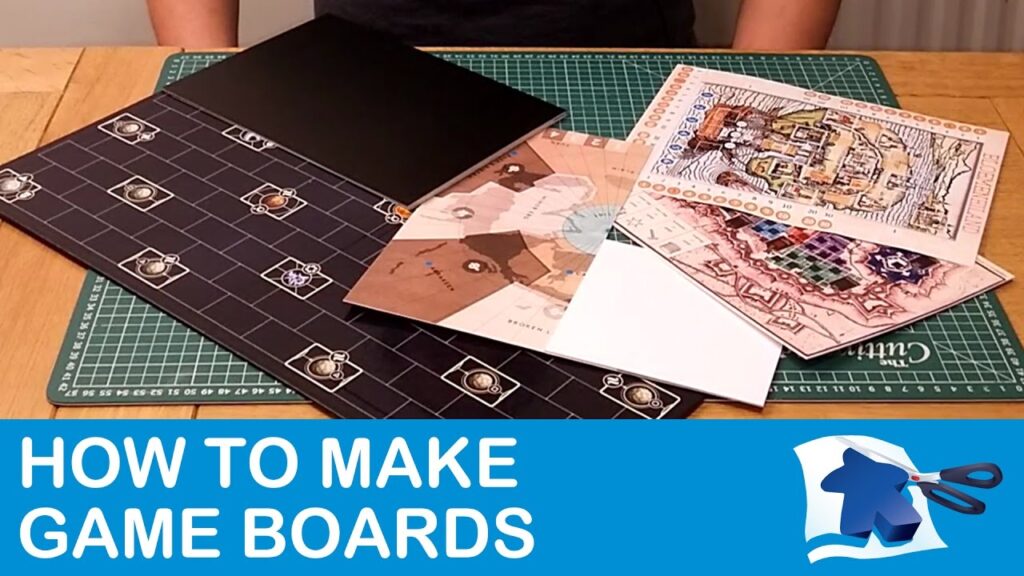
How to Make a Custom Board Game Board
Choose a Theme and Board Game Mechanics
The first step is deciding on your game’s backstory and objectives. Locking down core elements like the theme and mechanics early on will directly inform the board’s layout and component needs.
Consider popular themes like fantasy, space exploration, mystery, or historical events. If designing for a younger demographic, animate themes could be more engaging.
You’ll also want to determine key mechanics like roll and move, resource management, tile placement, etc. Understanding gameplay flows will shape the board’s physical space requirements.
Sketch Initial Board Game Board Designs
Once you’ve settled on a theme and mechanics direction, translate these ideas into an initial board sketch. This early concept art focuses more on overall structure and less on specifics.
Use grid paper or free game board templates to map out basic pathways, zones, special spaces, etc. Take photos of sketches you want to revisit so you can easily iterate on multiple approaches.
At this phase, focus primarily on playability over aesthetics. Gamepiece size, player counts, required card or token spaces—these functional elements matter most right now.
Choose Durable, Professional Materials
High-quality materials elevate your board from homemade prototype to premium product. Consider durability, texture, printing/cutting options, and end-user experience when selecting foundation and surface materials.
Foundation Materials
- Chipboard: Affordable and easy to print on while providing rigidity. Good for mid-weight boards shipped flat.
- Plywood: A wood foundation has unbeatable durability for frequent gameplay. Use thicker stock for heavier components.
- Plastic: Injection molding plastic creates detailed 3D surfaces and precision components out of durable materials. Most expensive option.
Surface Materials
- Paper/Cardstock: Print custom graphics or themes directly onto cardstock surfaces using aqueous coating for spills protection.
- Fabric: For softer tactile experience during frequent piece manipulation. Use textured options like felt or canvas. Easy DIY application.
- 3M Vinyl Wrap: Self-adhesive printed vinyl wrap resists spills and heavy use. Easier to apply than paper for crisp results on 3D topography.
Refine With Digital Mockups
Once you’ve settled on promising sketch concepts, translate ideas into digital format using graphic design software.
Illustrator, InDesign, and Photoshop all allow professional-quality visuals with flexibility to experiment. Build out multiple polished design approaches before committing final artwork to physical formats.
Take advantage of digital tools like perfect shapes, typesetting, pixel-precise alignment, and adjustable coloring when crafting print-ready files. Save versions frequently to easily A/B test layout iterations.
Test Playability With Low-Fidelity Prototypes
Before final board cutting or printing, create tabletop-ready yet unfinished prototypes for playtesting mechanics and ergonomics.
Mockups made from foam core, thick paper, or cardboard are inexpensive and modify easily between sessions. Focus feedback questions on spatial flows, required movements, component interactions, and other functional dynamics.
Observe players hands-on to pinpoint friction points in the user experience you may have overlooked onscreen. Tweak layouts and spaces based on testing notes before final fabrication.
Create The Definitive Version
Leverage feedback from digital concepting and physical prototyping to inform the master board design. Refine graphics and visual language while ensuring playtested layout revisions make the cut.
When ready for final output, choose production methods that match board materials selected earlier. For small batches, print directly onto rigid substrates using high-quality aqueous inks to resist scuffs and spills during gameplay while delivering vibrant graphics.
Or work with a commercial printer for mass production. Most vendors regularly produce games and can advise on specialty coatings and treatments to make boards indistinguishable from store-bought.
Playtest the Final Board
Don’t stop playtesting once you have a production board in hand! Further blind testing with naive players often uncovers subtle opportunities modern game board design missed.
Pay special attention to confusion around board goals or constraints, uncomfortable ergonomics for extended gameplay, and component/graphics wear during sessions. Player reactions at this final stage determine your game’s real-world staying power.
While frustrating to encounter issues post-production, view polish refinement through player feedback as an insurance policy to maximize customer enjoyment, retention, and word-of-mouth promotion for your innovative creation!
Manufacture and Release Your Creation
If initial reception meets expectations, it’s time to finalize manufacturing logistics and distribution plans. Determine ideal production run sizes based on audience scale, storage abilities, and budget.
When ready for widespread sales distribution, assess retail partnerships, online marketplaces, and direct purchase pipelines. Balance availability with production and fulfillment capacity pricing thresholds.
Despite the myriad tactical considerations as your makeshift kitchen table project transforms into a polished product, don’t lose sight of the magical feeling that comes from imagining a game universe—and making that universe tangible through passionate craft application!
Key Takeaways
- Effective custom board game design requires aligning physical form with conceptual function from the earliest stages.
- Playtesting throughout creation and refinement uncovers ergonomic issues impossible to predict digitally.
- Leverage modern production methods and materials to elevate homemade projects with premium fit, finish, and durability.
Bringing a custom tabletop experience from vague idea to tactile reality is supremely rewarding. By maintaining focus on target players, constantly soliciting feedback, and iterating without ego, amateur creators can manifest professional-tier game productions thanks to today’s design tools and fabrication technologies.
Now watch your imagination take shape in front of excited players gathered around the bespoke board you envisioned!


