
As a professional board game manufacturer, I love finding creative ways to combine my interests with my work. Recently, I’ve become fascinated with the idea of creating my own drinking board game.
Developing a unique party game is a fun passion project, once my DIY drinking game is complete, what better than an in-depth, step-by-step tutorial walking people through the entire creation process?
So I decided to give it a shot. In this post, I’ll share everything I learned about how to make your own drinking board game in 2025.
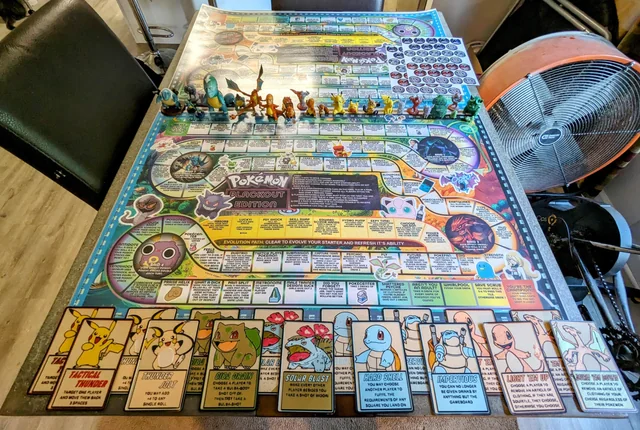
How to Make Your Own Drinking Board Game
The first thing I realized is that creating an original drinking game from scratch is no small feat. However, with proper planning and preparation, it’s totally doable as a solo project. Here’s my step-by-step guide.
Start by Determining the Game Concept
You can’t develop gameplay elements until you nail down the overarching concept. This drinking board game concept will inform all other decisions, so choose wisely right off the bat.
Think about the basic game objective – what players are trying to accomplish in order to win. Also consider mechanics that involve skill, strategy, and luck. Party games thrive on wacky themes, so don’t be afraid to get creative!
To generate ideas, I browsed lists of popular drinking games for inspiration. I also searched product listings on Amazon to analyze formatting and components of existing games.
Once your concept is set, document it in detail before moving forward. Outline objectives, gameplay elements, required materials, and target audience.
Map Out the Game Board
Now it’s time to conceptualize the main playing area. You essentially have two options here:
Create a custom game board from scratch. This allows unlimited creative freedom. But it also takes more effort. First sketch ideas on paper, then create professional illustrations using design software.
Repurpose an existing board. Save tons of design work by covering up sections of a cheap, store-bought board. Use paper and markers for prototyping. Upgrade to higher quality materials once gameplay is finalized.
Either option works. Choose the best method based on personal preferences, skill level, effort, and budget.
Craft Playing Cards
The vast majority of drinking board games incorporate a deck of cards as a key component. They often include action prompts and rule reminders to facilitate gameplay.
Creating cards is a multi-step process:
- Determine card categories – Rule reference cards aid learning. Action cards initiate tasks.
- Establish number of cards per grouping – Include enough variety to enable replayability.
- Write copy – Ensure text is clear, concise, and aligns with game objectives.
- Design templates – Produce professional layouts with header bars and decorative artwork.
- Print and cut – For prototypes, print on thick paper and cut manually with craft scissors. Use full production print services when ready for commercialization.
Take time iterating on card content before finalizing. Playtest frequently with groups that represent your target demographic.
Select Regulated Drinking Tools
Your DIY drinking board game should discourage binge consumption. Include measured shot glasses that standardize serving sizes across gameplay.
You may also integrate beer bongs with predetermined fill lines. This nudges users toward responsible regulation of alcohol intake.
Besides drinking devices, incorporate the following items:
- A sand timer limits drink duration, preventing large volume ingestion.
- Coasters help identify which beverages belong to each player.
- Tinfoil ash trays give messy cigarette butts a proper disposal vessel.
Choose decorative tools to enhance aesthetic elements. Just ensure health and safety remain top priorities.
Refine Rules
Drafting official rulebooks is tough. Strive for clarity, but don’t restrict gameplay modifications groups enjoy.
During game development, constantly iterate on written rule sets based on playtesting feedback. Pay attention to which guidelines players remember easily versus ones that confuse them.
Aim for 20-30 minutes per full game. This maintains engagement without overextending play length. If rounds continue dragging on, simplify rules to increase pace.
Besides length, focus playtesting on:
- Learning curve for onboarding new players
- Ideal number of participants
- Presence of skill versus reliance on sheer luck
Continue tweaking and experimenting even after “officially” publishing rules. Be receptive when hardcore fans recommend new house rules. This ongoing evolution keeps your DIY game feeling fresh over time.
How I Created My DIY Drinking Game
I recently took my own advice by developing a DIY party game from start to finish. After following the steps outlined above, here’s how it ultimately came together:
Concept and Gameplay
Players race to collect various alcohol brands scattered around the board before opponents snap them up first. Whenever you land on an unclaimed bottle or case of alcohol, you can grab that brand for your collection.
The first player to successfully gather one of each type of liquor wins the game!
Board Design
I ordered a basic Monopoly board on Amazon for $5 and customized it from there. Using craft paper and acrylic paints, I created cover inserts that transform property spaces into booze brands.
Liquor Lyfe Game Board
Now when people land on Boardwalk, they’re claiming Smirnoff Vodka or Captain Morgan Rum for their stash, not renting out property.
Playing Cards
My simple DIY drinking board game only requires one deck – a shot wheel spinner consisting of actions that elicit drinking.
It ranges from tame tasks like “truth or drink” to wild challenges inviting brave souls to shotgun a beer. Players spin after each turn around the liquor-themed board and complete whatever the wheel indicates.
Tools and Accessories
Besides the makeshift game board, playing cards, basic rules, and multi-sided spinner, required accessories include:
- Shot glasses
- Beer pong cups
- Ping pong balls
- Sand timer
- Tin buckets (aka pukey pails)
- Coasters identifying players
- Corkscrew bottle opener
I’m quite pleased with how my project turned out. Now the true test will be observing levels of enjoyment at parties and get-togethers going forward. This initial version has plenty of room for modifications and enhancements. I’m excited to evolve gameplay elements based on user feedback!
Have you ever attempted making a DIY drinking board game? I’d love to hear about the experience in the comments below!


